Commercial & Residential Air Conditioning Systems
Climate control solutions engineered for performance, efficiency, and year-round comfort. From single-room units to multi-zone commercial installations, our F-Gas registered engineers deliver precision cooling and heating systems tailored to your space.
Serving businesses and homes across England including London, Birmingham, Manchester, Leeds, Liverpool, Bristol, Sheffield, Newcastle, Nottingham, and Southampton.
What is Air Conditioning?
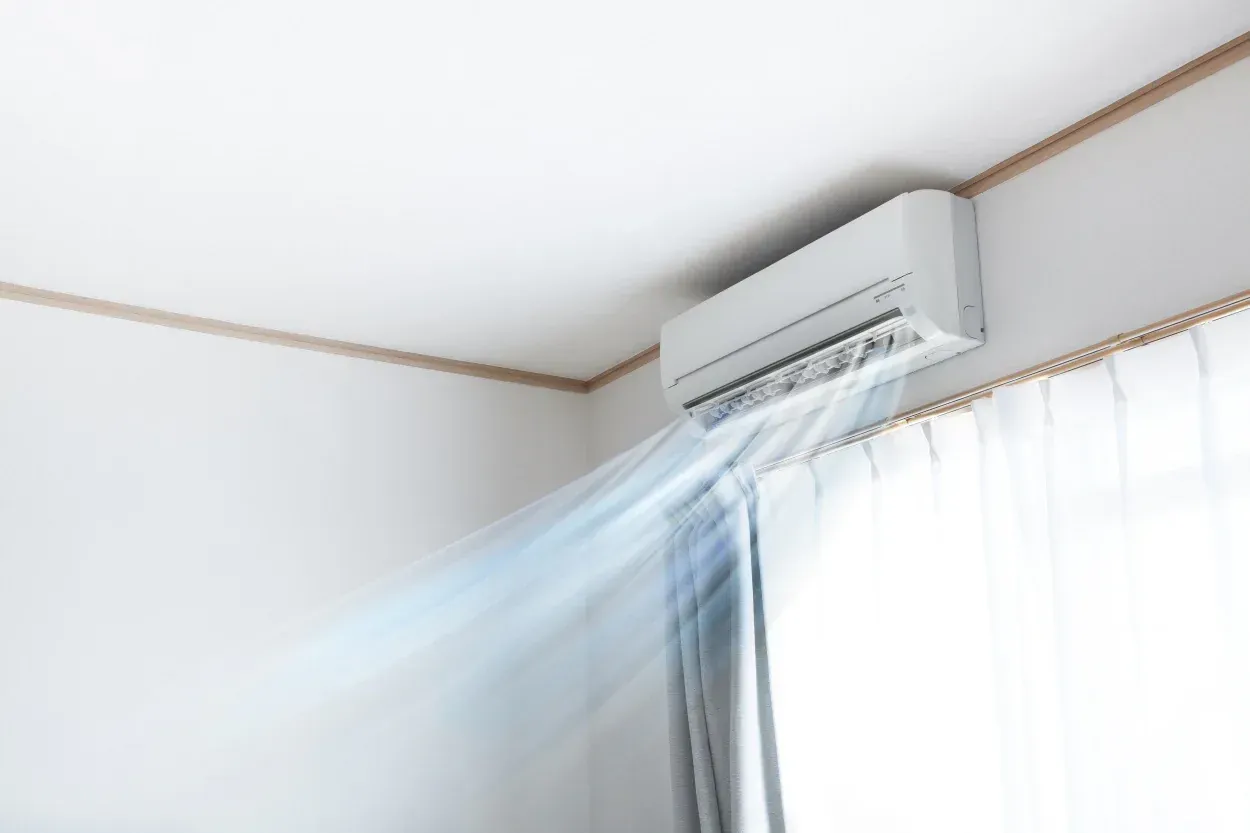
Air conditioning is a climate control system that regulates indoor temperature, humidity, and air quality by removing heat and moisture from interior spaces. Unlike fans that simply circulate existing air, air conditioning systems actively cool or heat your environment, creating comfortable conditions regardless of outdoor weather.
Modern air conditioning systems are dual-purpose, providing cooling during summer months and efficient heating throughout winter. By transferring heat rather than generating it through combustion, air conditioning operates as a highly efficient heat pump system, delivering up to 4 units of heating or cooling energy for every 1 unit of electricity consumed.
Why Choose Universal Gas for Air Conditioning?
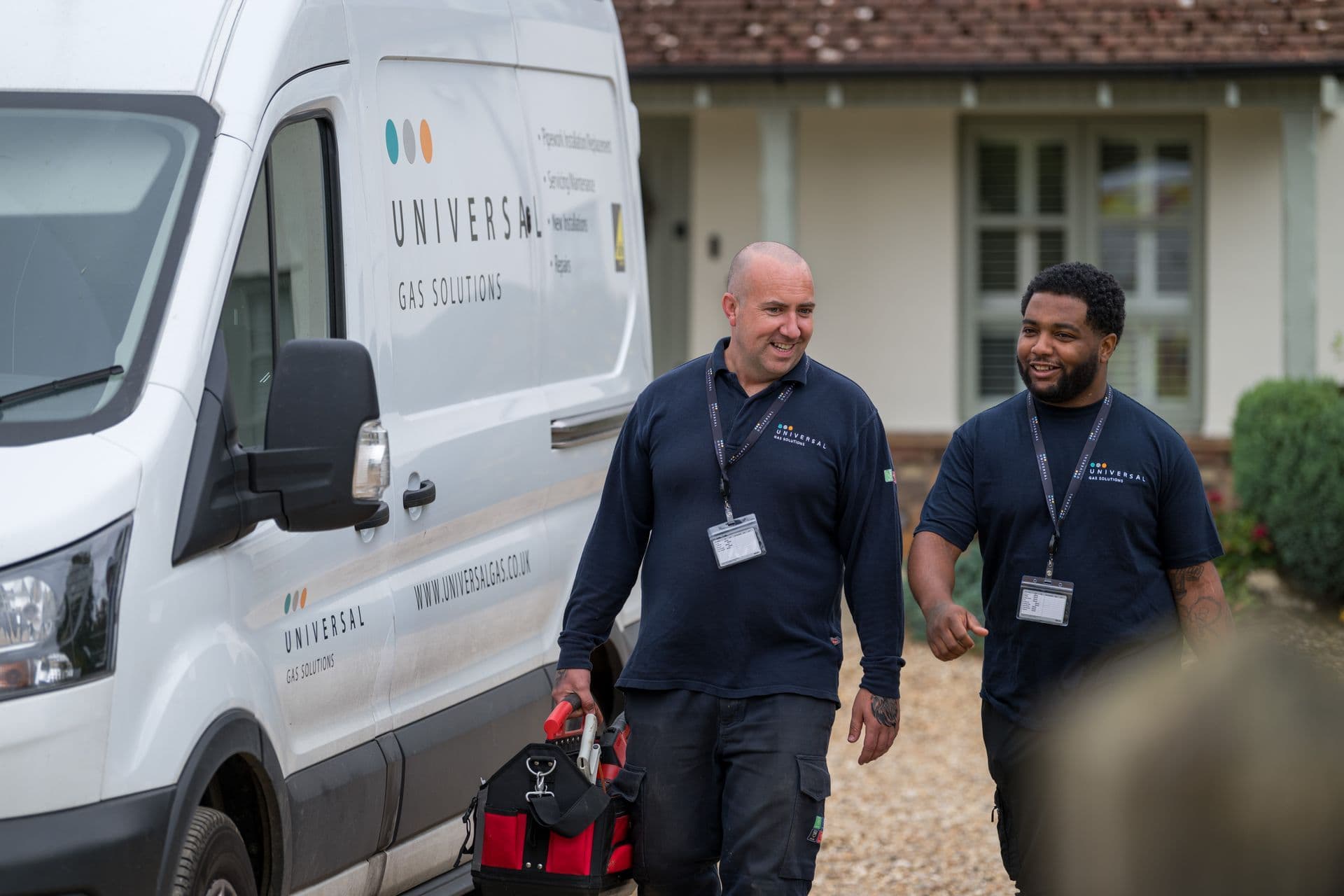
Expert installation and maintenance backed by manufacturer warranties up to 10 years
Air Conditioning Systems We Install
Professional solutions for every property type and application
Our Professional Installation Process
Precision engineering at every stage
Site Assessment
Detailed surveys measuring room dimensions, insulation values, window exposure, and occupancy patterns to specify the correctly sized system.
System Design
Detailed proposals showing equipment specifications, energy ratings, installation methodology, and projected running costs.
Installation
Gas Safe registered engineers complete installations to manufacturer specifications, including all pipework, drainage, and electrical connections.
Commissioning
Full system demonstration covering operation, control settings, maintenance schedules, and manufacturer warranty registration.
Air Conditioning Solutions for Every Environment
What is Air Conditioning?
Air conditioning is a climate control system that regulates indoor temperature, humidity, and air quality by removing heat and moisture from interior spaces. Unlike fans that simply circulate existing air, air conditioning systems actively cool or heat your environment, creating comfortable conditions regardless of outdoor weather.
Modern air conditioning systems are dual-purpose, providing cooling during summer months and efficient heating throughout winter. By transferring heat rather than generating it through combustion, air conditioning operates as a highly efficient heat pump system, delivering up to 4 units of heating or cooling energy for every 1 unit of electricity consumed.
How Does Air Conditioning Work?
Air conditioning operates on refrigeration principles, using a refrigerant fluid that alternates between liquid and gas states to absorb and release heat.
Cooling Mode
From annual safety inspections to comprehensive maintenance contracts, we offer flexible service packages tailored to your needs. Commercial clients benefit from planned preventive maintenance schedules, priority response times, and detailed compliance reporting.
- Warm indoor air is drawn across an indoor unit containing cold refrigerant-filled coils
- The refrigerant absorbs heat from the air and evaporates into a gas
- The cooled air is circulated back into the room while moisture condenses and drains away
- The heated refrigerant gas is pumped to an outdoor unit where it releases heat and condenses back into liquid
- The cycle repeats continuously, progressively cooling your space
Heating Mode (Reverse Cycle):
Modern air conditioning systems reverse this process, extracting heat from outdoor air (even in temperatures as low as -15°C) and transferring it indoors. This heat pump operation delivers exceptional efficiency, making air conditioning one of the most cost-effective heating solutions available.
Benefits of Air Conditioning
For Homes:
- Year-Round Comfort: Maintain ideal temperatures throughout every season with systems that both cool and heat your home efficiently.
- Improved Sleep Quality: Optimal bedroom temperatures (16-18°C) promote deeper, more restful sleep, particularly important during warm summer nights.
- Better Air Quality: Advanced filtration systems remove dust, pollen, and allergens from circulating air, benefiting those with respiratory conditions or allergies.
- Energy Efficiency: Modern systems rated A++ or above consume minimal electricity while delivering powerful climate control, with running costs from £0.30 per hour.
For Businesses:
- Enhanced Productivity: Studies show employee productivity decreases by up to 20% in poorly ventilated, overheated workspaces. Optimal temperatures (21-23°C) maintain focus and efficiency.
- Customer Comfort: Retail environments with comfortable temperatures encourage customers to browse longer, directly impacting sales performance.
- Equipment Protection: Server rooms, data centres, and IT infrastructure require consistent cooling to prevent overheating, downtime, and costly equipment failure.
- Regulatory Compliance: Workplace temperature regulations require employers to provide reasonable comfort. Air conditioning ensures compliance while demonstrating duty of care.
Energy Efficiency & Running Costs
Modern air conditioning systems deliver exceptional energy efficiency, with the best units rated A+++ for cooling and A++ for heating. Running costs depend on system size, efficiency rating, and usage patterns. Based on current average electricity rates (£0.30 per kWh):
- Small Room Unit (2.5kW): £0.20-£0.30 per hour cooling, £0.15-£0.25 per hour heating
- Medium Room Unit (3.5kW): £0.30-£0.40 per hour cooling, £0.25-£0.30 per hour heating
- Large Room Unit (5.0kW): £0.40-£0.50 per hour cooling, £0.30-£0.40 per hour heating
These costs compare favourably to electric heating (typically £0.60+ per hour for equivalent output) because air conditioning operates as an efficient heat pump rather than direct electric heating.
Frequently Asked Questions
Can air conditioning heat as well as cool?
Yes, modern air conditioning systems are reverse-cycle, meaning they provide both cooling in summer and efficient heating in winter. When heating, the system operates as a heat pump, extracting warmth from outdoor air (even in sub-zero temperatures) and transferring it indoors. This heat pump operation is 3-4 times more efficient than electric heaters.
How much does air conditioning cost to run?
Running costs depend on system size, efficiency rating, and electricity tariff. A typical 3.5kW system costs approximately £0.30-£0.40 per hour to run when cooling, and £0.25-£0.30 per hour when heating. For an average room used 8 hours daily, expect monthly costs of £20-£30 during peak use months.
Do I need planning permission for air conditioning?
Most residential air conditioning installations fall under permitted development and don't require planning permission. However, you may need permission if your property is listed, in a conservation area, or if the outdoor unit faces a highway. Commercial installations typically don't require planning permission unless the building is listed. We advise on planning requirements during your initial survey.
How noisy is air conditioning?
Modern air conditioning is remarkably quiet. Premium indoor units operate from just 19dB on low fan speed (quieter than a whisper), while outdoor units typically operate at 45-55dB (similar to a refrigerator). We position outdoor units sensitively to minimise impact on neighbours and can install acoustic barriers if required.
Can I install air conditioning myself?
No. Air conditioning installation must be completed by F-Gas certified engineers holding valid refrigerant handling certificates. DIY installation is illegal under F-Gas regulations as it involves handling refrigerants that require specialist equipment, training, and certification. Improper installation voids manufacturer warranties and creates safety risks.
How long does air conditioning installation take?
Installation time varies by system type. A single split system typically takes 4-6 hours (completed in one day). Multi-split systems require 1-2 days depending on the number of indoor units. VRF commercial installations take 1-3 weeks depending on building size. We provide accurate timescales during the quotation stage.
Will air conditioning work in winter?
Yes, modern air conditioning systems heat effectively even in cold weather. Most systems operate efficiently down to -15°C outdoor temperature, with some specialist models working to -25°C. For UK winters, air conditioning offers excellent heating performance throughout the season.
What size air conditioning system do I need?
System sizing depends on multiple factors including room dimensions, insulation levels, window size and orientation, ceiling height, and occupancy levels. As a rough guide, you need approximately 100-150 watts of cooling per square metre. However, proper sizing requires professional heat load calculations. We provide free surveys and detailed recommendations.
How often does air conditioning need servicing?
Manufacturers recommend annual servicing to maintain efficiency, extend equipment lifespan, and preserve warranty validity. Commercial systems often require more frequent servicing (every 6 months) due to higher usage. Between professional services, clean filters monthly during regular use.
Can air conditioning help with allergies?
Yes, air conditioning filters remove pollen, dust, and allergens from circulating air, significantly benefiting allergy sufferers. Advanced filtration options including HEPA filters capture particles as small as 0.3 microns, removing up to 99.97% of airborne allergens. Many people with hay fever or asthma report substantial symptom improvement when using air conditioning.
Ready to Transform Your Climate Control?
Get expert advice and a free quote for your air conditioning installation
Or call our team on 01582 363934 • Available Monday-Friday 8am-6pm, Saturday 9am-4pm