
Renewable Energy Systems
Universal Gas delivers future-proof renewable technology across residential and commercial properties throughout England. From air and ground source heat pumps to solar installations and battery storage, our MCS certified engineers design and install complete renewable energy systems that reduce carbon emissions, lower running costs, and future-proof your property.
As specialists in heat pump technology, solar PV, and hybrid systems, we handle everything from initial surveys and grant applications through to commissioning and ongoing support. With government grants available up to £7,500 through the Boiler Upgrade Scheme, renewable heating has never been more accessible or affordable.

Where renewable heating actually makes sense
It is not the right answer for every property, and anybody who tells you otherwise has not looked at yours
Insulation comes first
A heat pump runs at a much lower flow temperature than a boiler, so the building has to hold the heat it produces. Loft and cavity insulation, draught proofing and glazing are what make the system work - and they are cheaper than upsizing the heat pump to compensate.
The emitters have to suit it
Radiators sized for 70C water are usually undersized for 45C water. Some rooms will need larger radiators, and underfloor heating suits a heat pump better than anything else. This is assessed room by room, not estimated.
Space, inside and out
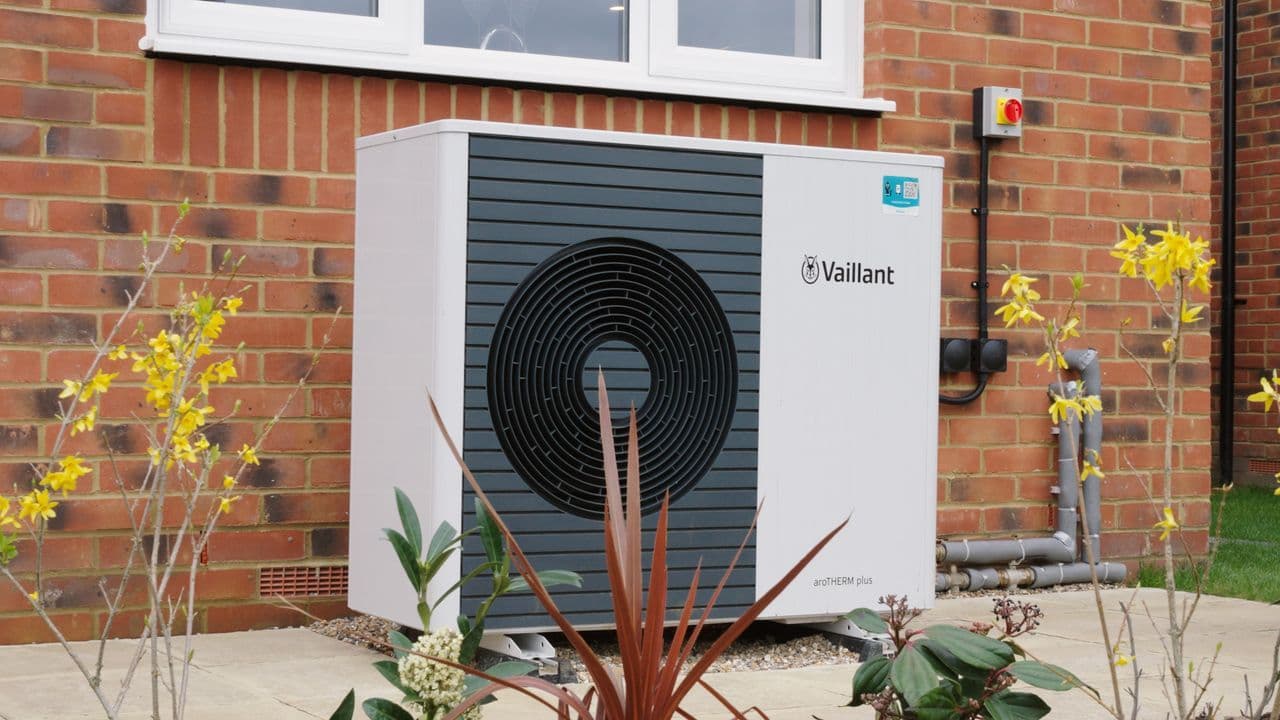
An air source unit needs a position with airflow and enough distance from a boundary, and the system needs a cylinder indoors. A property with neither is a harder job, and it is better to know that at survey than after a deposit.
How you use the heating
A heat pump prefers to run steadily at a low output rather than blast twice a day. Households that heat the house in two short bursts often find the running cost disappointing until the controls are set up for how the technology actually works.
How a renewable installation runs
Survey, design, install, commission - and the grant paperwork handled in the right order
Heat loss survey
Room by room, measuring construction, insulation, glazing and ventilation. This is the calculation everything else depends on, and it cannot be done from a photograph or a postcode.
System design
Heat pump output matched to the calculated loss, emitters sized for the lower flow temperature, cylinder sized for the household, and the controls specified so the system runs the way the technology wants to.
Grant application
The Boiler Upgrade Scheme grant is applied for by the installer, not the householder, and it has to be in place before the work rather than claimed afterwards.
Installation
Unit, cylinder, pipework, emitter changes and the electrical work, with the existing system flushed and a filter fitted rather than the new kit inheriting the old system dirt.
Commissioning and handover
Flow temperatures set, weather compensation configured, performance recorded, and the controls explained properly - because a well-designed system set up badly performs like a badly designed one.
Common questions about renewable heating
Will a heat pump cut my energy bills?
It depends on what you are replacing and on the price of electricity relative to gas. A heat pump delivers roughly three units of heat per unit of electricity, so it uses far less energy than a gas boiler - but electricity currently costs more per unit than gas, which narrows the gap. Replacing oil, LPG or direct electric heating usually shows a clear saving; replacing mains gas often does not, and we will tell you that rather than promise otherwise.
What grant is available?
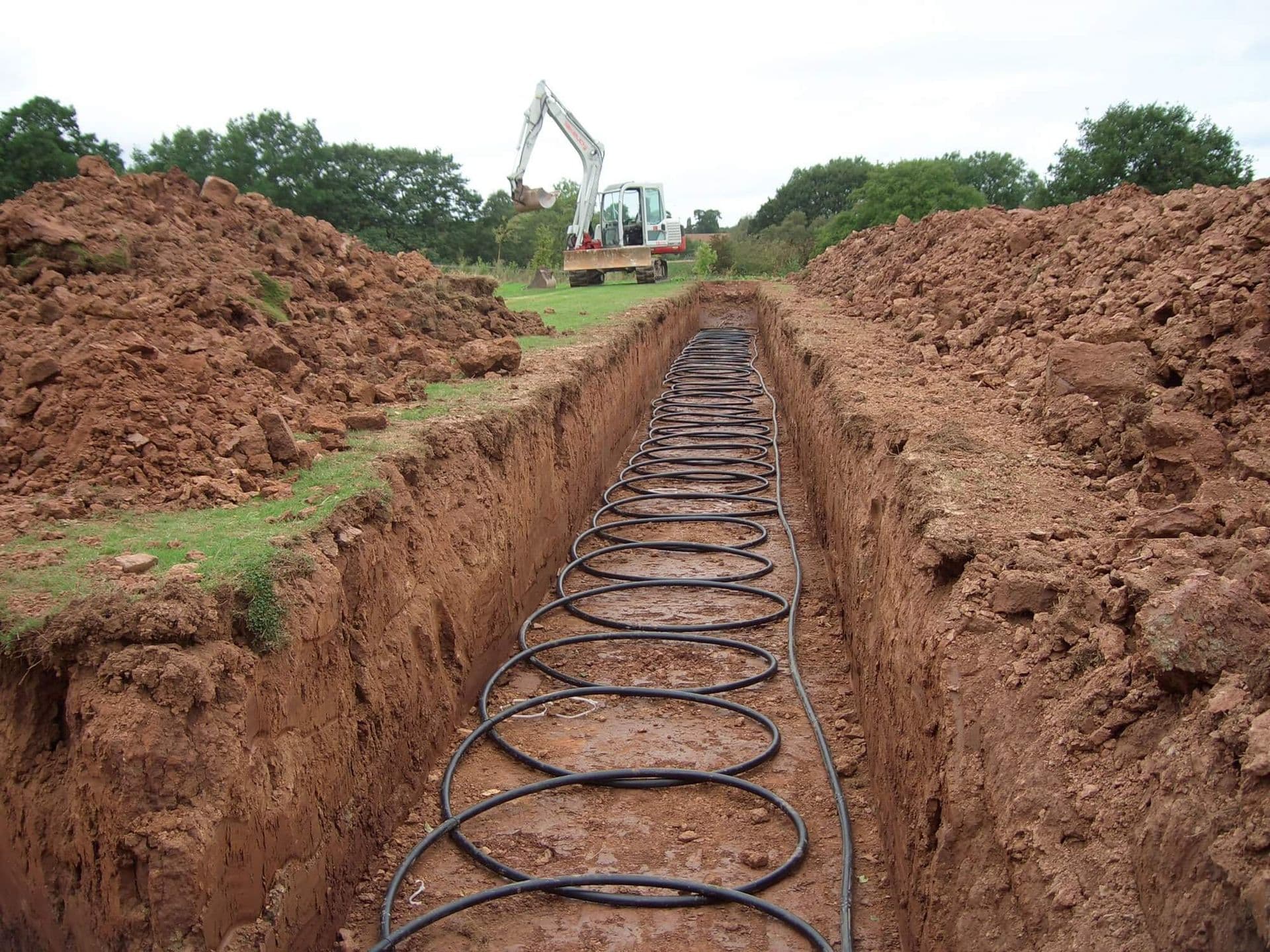
The Boiler Upgrade Scheme provides 7,500 pounds towards an air source or ground source heat pump for eligible properties in England and Wales. The installer applies for it, and it has to be in place before the work rather than claimed afterwards. Eligibility depends on the property and on having valid EPC recommendations addressed.
Do I need to replace all my radiators?
Usually not all of them. Radiators sized for 70C water are often undersized for 45C, but the shortfall varies room by room - some will be fine, some need a larger panel, and a few rooms may need a different approach. The heat loss survey tells you which, which is why it is done before anything is quoted.
Are heat pumps noisy?
A modern unit is comparable to a fridge at a few metres. There are permitted development rules covering noise at the boundary and the position of the unit, and the design has to satisfy them - which is another reason siting is decided at survey rather than on installation day.
Can I keep my gas boiler as well?
Yes, and for some properties a hybrid is the sensible answer: the heat pump does the majority of the heating and the boiler covers the coldest days and the hot water. It avoids the emitter upgrades a full heat pump conversion would need, at the cost of keeping two systems.
Is solar worth adding?
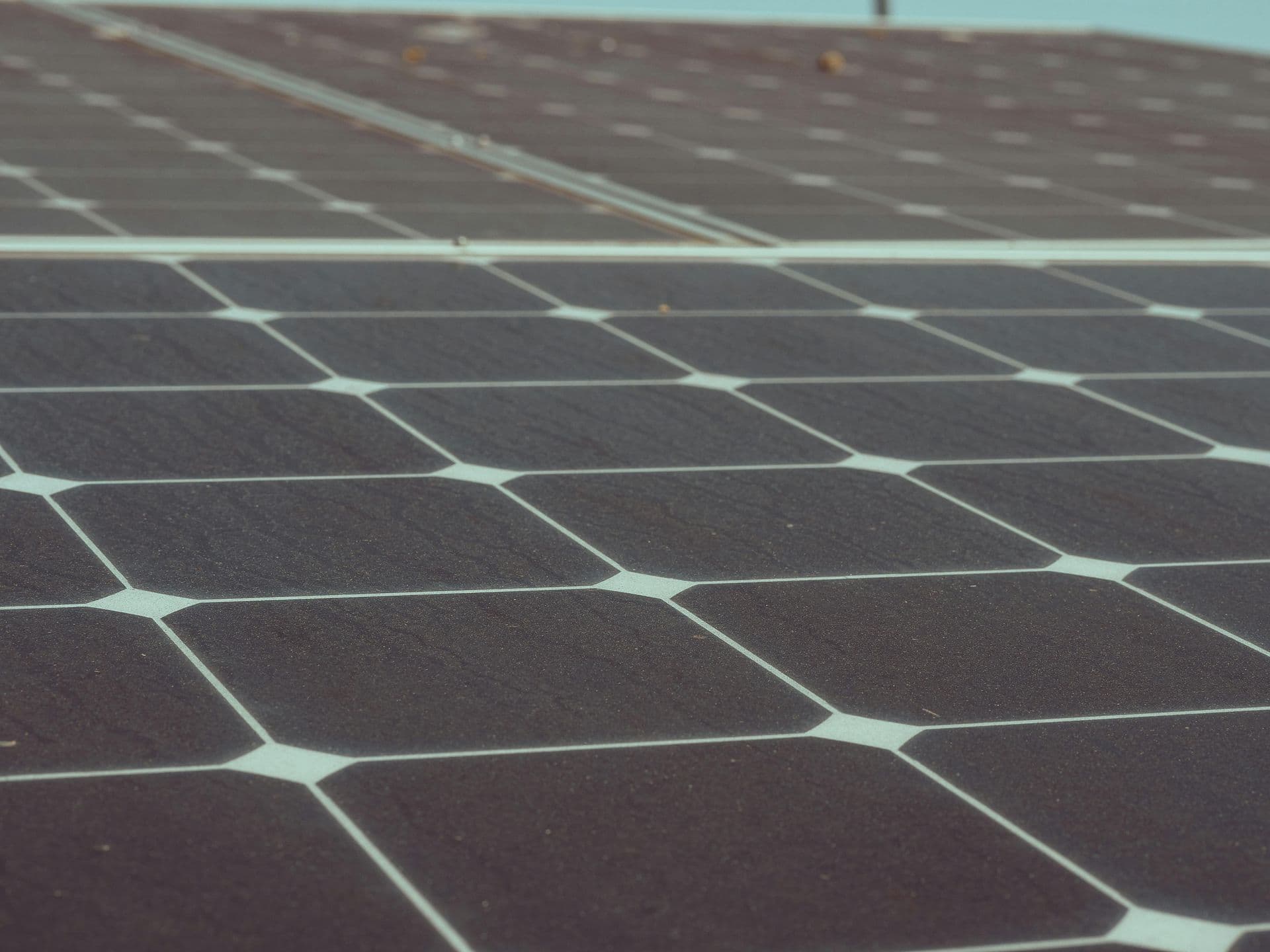
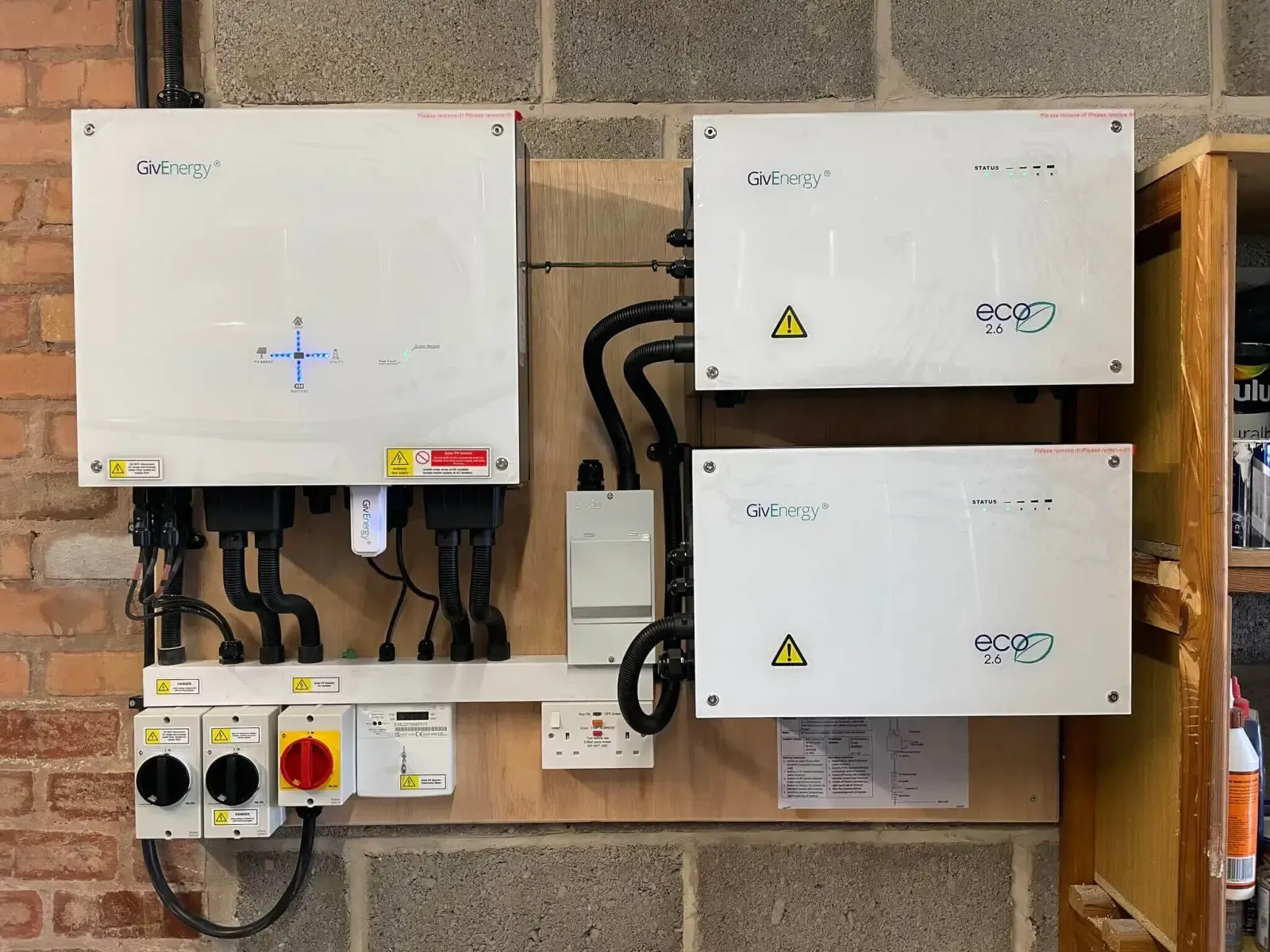
It pairs well with a heat pump, because the heat pump gives you somewhere useful to put generation that would otherwise be exported cheaply. Battery storage makes more of the difference in a UK home, since generation and demand rarely coincide. Both are assessed on your roof and your usage rather than on averages.