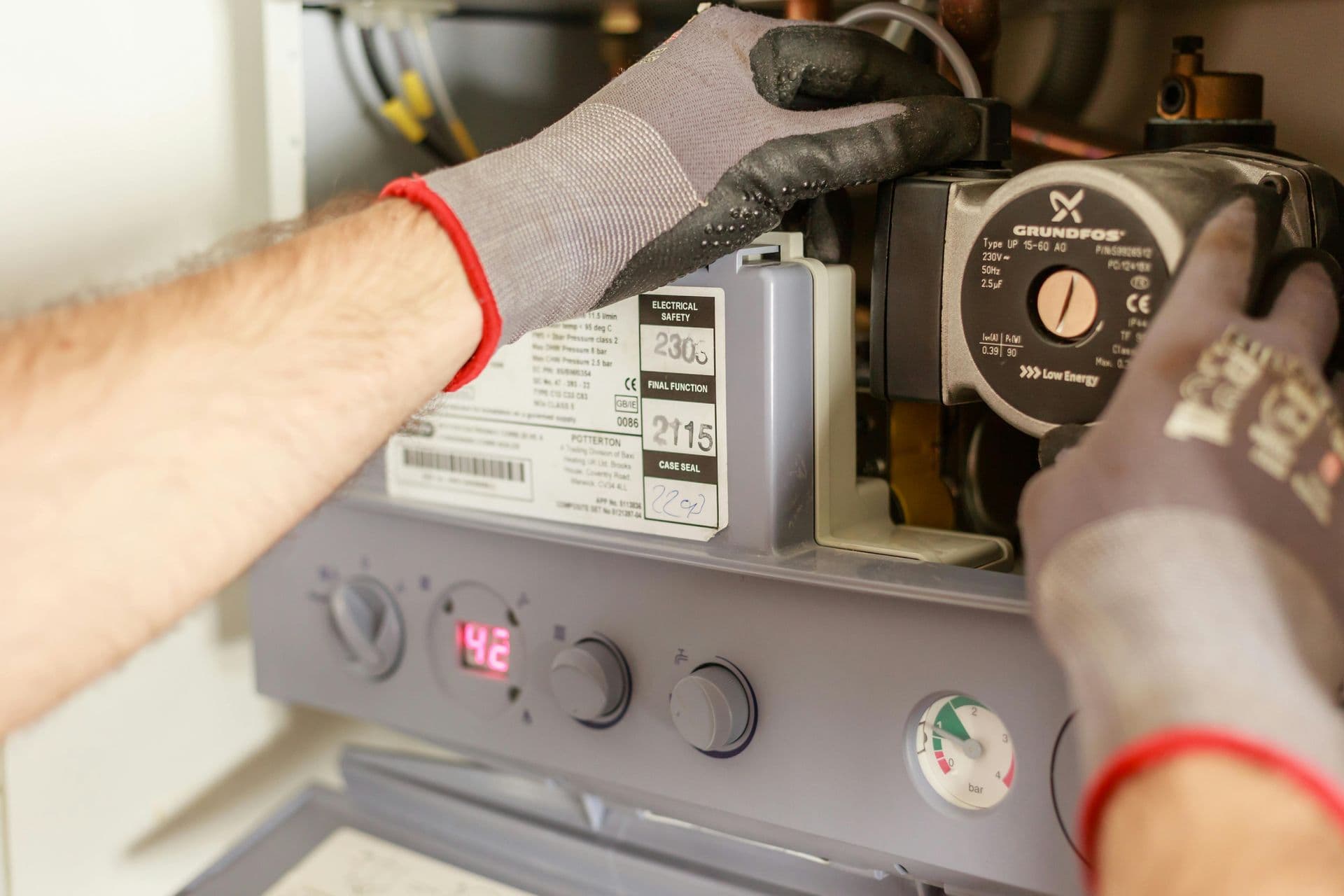
Your boiler is the hardworking heart of your home, quietly providing warmth and hot water day in and day out. But like any mechanical system, boilers don't last forever. Knowing when to replace rather than repair your boiler can save you thousands of pounds in emergency callouts, wasted energy, and potential safety hazards. The question is: how do you know when it's time to say goodbye to your old boiler?
At Universal Gas, we've serviced and replaced thousands of boilers across the UK, and we've seen firsthand the warning signs that indicate a boiler is reaching the end of its useful life. While it might be tempting to squeeze a few more years out of an aging system, there comes a point where replacement becomes not just sensible, but essential. In this comprehensive guide, we'll walk you through the seven critical warning signs that suggest your boiler needs replacing, helping you make an informed decision before a minor inconvenience becomes a major emergency.
1. Your Boiler is Over 10-15 Years Old
Age is perhaps the most straightforward indicator that your boiler is due for replacement. Most modern boilers have a lifespan of 10 to 15 years, though this can vary depending on the make, model, and how well the system has been maintained throughout its life. If your boiler is approaching or has exceeded this age range, it's time to seriously consider replacement, even if it's still functioning reasonably well.
The technology behind boiler design has advanced significantly over the past decade. Modern condensing boilers achieve efficiency ratings of 90% or higher, compared to older models that might struggle to reach 70% efficiency. This means an old boiler could be wasting up to 30p of every pound you spend on heating-a staggering amount that accumulates over months and years. When you factor in rising energy costs, the savings from a new, efficient boiler can be substantial, often paying for the replacement within just a few years.
Beyond efficiency, older boilers are also more prone to breakdowns as components wear out and spare parts become harder to source. Manufacturers typically stop producing replacement parts for discontinued models after 10 years, which means repairs become increasingly difficult and expensive. If you're struggling to find parts for repairs, this is a clear signal that replacement is your best option. Additionally, older boilers may not meet current safety standards or building regulations, which could affect your home insurance or create complications if you decide to sell your property.
Even if your elderly boiler appears to be working fine, the combination of reduced efficiency, increasing repair costs, and potential safety concerns makes replacement a wise investment. At Universal Gas, we can assess your current system and help you understand the long-term financial benefits of upgrading to a modern, efficient boiler that will serve you reliably for years to come.
2. Your Energy Bills Keep Rising
If you've noticed your heating bills creeping steadily upward despite similar usage patterns, your boiler's declining efficiency is likely the culprit. As boilers age, their efficiency deteriorates gradually. Internal components wear down, heat exchangers develop scale buildup, and seals begin to leak, all contributing to reduced performance. This means your boiler has to work harder and consume more fuel to deliver the same level of heating and hot water you're accustomed to.
The difference can be dramatic. An older non-condensing boiler might operate at just 60-70% efficiency, meaning 30-40% of the fuel you're paying for literally disappears as waste heat through the flue. In contrast, modern A-rated condensing boilers achieve efficiencies above 90%, capturing and utilizing heat that older models would simply waste. For an average UK household spending £1,500 annually on heating, upgrading from a 70% efficient boiler to a 90% efficient model could save approximately £400 per year-money that quickly adds up.
To identify whether your boiler is causing inflated energy costs, compare your current bills to previous years, accounting for any energy price changes and adjusting for unusually cold weather. If your consumption in kilowatt-hours (kWh) has increased significantly without a corresponding increase in usage, your boiler is the prime suspect. You can also request an efficiency assessment during your annual service-our engineers can measure your boiler's current efficiency and provide concrete data about how much you're losing to an underperforming system.
The financial case for replacement becomes compelling when you calculate the payback period. If a new boiler costs £2,500 and saves you £400 annually on energy bills, you'll recoup your investment in just over six years-and then continue saving money for the next decade. This doesn't even account for avoided repair costs or the improved comfort of consistent, reliable heating throughout your home.
3. Frequent Breakdowns and Constant Repairs
There's an old saying in the heating industry: "Once is an incident, twice is a coincidence, three times is a pattern." If you're calling for boiler repairs multiple times a year, you've crossed into pattern territory, and it's time to seriously consider replacement rather than continued repairs. Frequent breakdowns are a clear sign that your boiler is struggling, with multiple components failing or wearing out simultaneously.
The financial mathematics of repair versus replacement become straightforward once repair costs begin mounting. As a general rule of thumb, if a single repair costs more than 50% of a replacement boiler's price, or if you're spending more than £500 annually on multiple repairs, replacement is almost certainly the more economical choice. Consider that a new boiler installation might cost £2,000-£3,500 depending on type and complexity, while repeated repairs can easily exceed £500-£1,000 per year with no guarantee the problems won't continue.
Beyond the direct financial cost, frequent breakdowns create significant inconvenience and stress. There's nothing quite like your heating failing during the coldest weeks of winter, leaving you scrambling for emergency repairs while your family shivers under blankets. The unreliability of an aging boiler means you can never quite relax, always wondering when the next breakdown will occur. This anxiety, combined with the hassle of arranging repairs and the risk of property damage from leaks or freezes, makes replacement an investment in peace of mind as much as financial sense.
It's also worth noting that as boilers age, repairs tend to become progressively more expensive and difficult. Spare parts for older models become scarce, requiring longer lead times or costly substitutions. Some repairs might require multiple visits or specialized parts orders, extending the period you're without heating. When you weigh the cumulative costs, inconvenience, and ongoing uncertainty against the one-time investment in a reliable new system, replacement typically emerges as the clear winner.
4. Strange Noises Coming From Your Boiler
A healthy boiler should operate relatively quietly, with just a gentle hum as it fires up and circulates water. If your boiler has started making unusual sounds-banging, clanging, whistling, gurgling, or rumbling-these noises are your system's way of crying out for help. Different sounds indicate different problems, and while some can be resolved with repairs, others suggest fundamental issues that point toward replacement.
Banging or clanking noises, sometimes called "kettling," occur when limescale or sludge builds up on your boiler's heat exchanger. This buildup restricts water flow and causes localized overheating, creating steam bubbles that collapse noisily. Kettling not only reduces efficiency but also puts excessive stress on the heat exchanger, potentially leading to cracks and leaks. In areas with hard water, kettling is particularly common in older boilers where years of mineral deposits have accumulated. While power flushing can sometimes resolve the issue, severe cases may indicate that the heat exchanger is beyond saving.
Whistling sounds, often caused by trapped air or a partially closed valve, might seem minor but can indicate circulation problems that force your pump to work harder. Persistent whistling after bleeding radiators suggests more serious issues with the system's pressure or pump function. Gurgling noises typically point to air in the system or low water pressure, both of which make your boiler work inefficiently and can lead to more serious failures if left unaddressed.
Humming or droning sounds from the pump suggest worn bearings or mechanical problems that will worsen over time. If you hear these sounds accompanied by reduced heating performance, the pump may be struggling to circulate water effectively throughout your system. While pump replacement is possible, in an older boiler this might be just one of many components approaching failure, making whole-system replacement more sensible than piecemeal repairs.
The key is that any new or worsening noise should be professionally investigated immediately. Our engineers can diagnose the source and advise whether repair or replacement is the appropriate solution. Ignoring strange noises rarely ends well-they're early warning signs that give you time to plan and budget for replacement before an emergency breakdown forces your hand at the worst possible moment.
5. Visible Leaks, Corrosion or Rust
Water where it shouldn't be is never a good sign with any heating system. If you notice leaks around your boiler, puddles beneath the unit, or drips from pipes and connections, this indicates seal failure, corrosion, or component breakdown. While minor leaks from external valves or pressure relief pipes might be repairable, leaks from the boiler's internal components often signal more serious problems that warrant replacement consideration.
Visible corrosion or rust on the boiler casing is particularly concerning. Corrosion doesn't just affect appearance-it's a progressive process that weakens metal components and leads to leaks and structural failures. If you see rust or corrosion on the outside of your boiler, there's a strong likelihood that internal components are suffering similar deterioration. This is especially true for the heat exchanger, the most expensive component in any boiler. Heat exchanger replacement can cost £500-£1,000 or more, and in an older boiler, it rarely makes financial sense compared to full replacement.
Internal corrosion also produces sludge-a thick, black substance composed of rust particles and debris that accumulates in your system. This sludge restricts water flow, damages pumps and valves, and significantly reduces heating efficiency. While power flushing can remove sludge from the system, it doesn't address the underlying corrosion that created it. If your radiators need frequent bleeding, produce rusty water when bled, or heat unevenly, internal corrosion is likely advanced.
Pressure loss is another leak-related concern. If you find yourself regularly topping up your boiler's pressure, there's a leak somewhere in the system, even if you can't see it. Hidden leaks within the boiler casing or underground pipes can cause significant water damage over time while driving up your water bills. Persistent pressure loss combined with other warning signs strongly suggests replacement is necessary.
The risk with leaks extends beyond the boiler itself. Water damage to surrounding walls, floors, and belongings can be extensive and costly to repair. There's also potential for electrical hazards if water reaches wiring or controls. When you discover leaks or corrosion, prompt professional assessment is essential-our team can determine whether the issue is repairable or if the extent of deterioration makes replacement your safest and most cost-effective option.
6. Inconsistent Heating or Hot Water
A properly functioning boiler should provide consistent, reliable heating and hot water whenever you need it. If you're experiencing temperature fluctuations-radiators that are hot one moment and lukewarm the next, or showers that randomly turn cold mid-wash-your boiler is struggling to maintain consistent performance. This inconsistency is more than just inconvenient; it's a symptom of internal problems that typically worsen over time.
Several issues can cause inconsistent heating. A failing thermostat might misread temperatures and cycle the boiler on and off inappropriately. A worn pump might struggle to circulate water effectively, causing some radiators to heat while others remain cold. A partially blocked heat exchanger reduces heat transfer efficiency, meaning the water doesn't reach target temperatures reliably. Motorized valve problems can prevent hot water from reaching certain zones when needed. Any of these issues individually might be repairable, but in combination or in an older boiler, they suggest systemic deterioration.
Cold spots on radiators, particularly if they're consistently in the same locations, indicate circulation problems or sludge buildup in specific areas of your system. If only the bottom of radiators heats up, or if certain radiators never get properly hot despite bleeding, your system's circulation is compromised. While these symptoms might initially seem minor, they indicate your boiler is working harder to achieve poorer results, wasting energy and accelerating wear on components.
Hot water problems are equally frustrating. If your hot taps take progressively longer to deliver hot water, or the water temperature fluctuates during use, your boiler's heat exchanger or diverter valve may be failing. Combination boilers, which heat water on demand, are particularly sensitive to these issues. If you're experiencing extended delays for hot water or inadequate flow rates, especially in a younger boiler, repair might be possible-but in an older system, these symptoms often herald the beginning of the end.
The challenge with inconsistent performance is that it progressively worsens, and you gradually adapt to the declining service without realizing how much comfort you're sacrificing. Many customers who upgrade from an aging, inconsistent system are amazed by the improvement-instant hot water, even heating throughout the home, and reliable performance that doesn't require constant thermostat adjustments or workarounds. If you're tolerating inconsistency because "it's always been like that," it's worth getting a professional assessment to understand what proper performance should feel like.
7. Yellow Flames or Unusual Smells
This warning sign is the most serious on our list because it relates directly to safety. A properly functioning gas boiler should burn with a crisp blue flame. If you notice yellow or orange flames when you look through your boiler's inspection window, this indicates incomplete combustion-a dangerous condition that can produce carbon monoxide. Carbon monoxide is an odorless, colorless gas that's deadly even in small concentrations, making this symptom something you must address immediately.
Yellow flames occur when insufficient oxygen reaches the burner, causing the gas to burn inefficiently. This can result from blocked or damaged burners, restricted air intake, or problems with the flue system. The carbon monoxide produced during incomplete combustion should normally be safely vented outside through the flue, but if the flue is blocked or damaged, deadly gases can escape into your home. Carbon monoxide poisoning symptoms include headaches, dizziness, nausea, confusion, and tiredness-symptoms that are often mistaken for flu but can be fatal if exposure continues.
Every home with a gas boiler should have working carbon monoxide detectors installed near the boiler and in sleeping areas. These devices provide an early warning of dangerous CO levels and can literally save lives. If your CO detector sounds an alarm, evacuate immediately, call the Gas Emergency line on 0800 111 999, and do not return until the property has been declared safe by a qualified engineer.
Unusual smells around your boiler are another critical warning sign. While natural gas is odorless, suppliers add a distinctive sulfur-like smell for safety purposes. If you detect this rotten egg odor near your boiler or anywhere in your home, you have a gas leak-an emergency situation requiring immediate action. Turn off the gas supply at the meter if safe to do so, evacuate the property, avoid creating any sparks or flames (don't even turn light switches on or off), and call the Gas Emergency line immediately.
A burning or electrical smell suggests overheating components or wiring problems, either of which can lead to fire hazards. Musty or damp smells might indicate water leaks that you can't see but that are creating conditions for mold growth. Any unusual odor warrants immediate professional inspection-don't attempt to diagnose or fix these issues yourself. Gas and electrical problems require qualified engineers who have the expertise and equipment to work safely.
If your boiler exhibits yellow flames or produces unusual smells, replacement is almost certainly necessary. Even if repairs could theoretically address the immediate issue, the safety risks associated with these symptoms mean you shouldn't trust an aging system that has developed such dangerous faults. Your family's safety is paramount, and a modern boiler with up-to-date safety features provides peace of mind that an old, malfunctioning unit simply cannot.
Understanding the True Cost of Delaying Replacement
When faced with these warning signs, many homeowners hesitate to replace their boiler because of the upfront cost. It's natural to want to squeeze every last year out of an existing system, but this penny-wise approach often proves pound-foolish when you calculate the true cost of delay. Understanding the full financial picture-including wasted energy, repair costs, and potential damage-reveals why timely replacement is actually the economical choice.
Consider the cumulative impact of reduced efficiency. If your aging boiler operates at 70% efficiency instead of 90%, and your annual heating costs are £1,500, you're wasting £300 per year. Over three years of delay, that's £900 in unnecessary energy costs. Add typical repair expenses of £200-£500 annually, and you've spent £1,500-£2,400 while still ending up with an old boiler that will need replacing anyway. Meanwhile, a new boiler would have been saving you money on every energy bill while providing reliable, worry-free heating.
There's also the risk of collateral damage from a failing boiler. A major leak can damage flooring, walls, furnishings, and electrical systems, potentially costing thousands in repairs. A complete breakdown during winter might require emergency replacement at premium rates, without the opportunity to shop around for the best deal. Frozen pipes from a boiler failure can burst and cause catastrophic water damage. The risk of these expensive scenarios increases dramatically with every year you continue nursing an aging, unreliable system.
Proactive replacement also offers advantages beyond avoiding problems. You can plan the installation at your convenience, perhaps during warmer months when scheduling is easier and you're not dependent on heating. You have time to research options, compare quotes, and choose the perfect boiler for your needs rather than making rushed decisions during an emergency. Many installers offer seasonal promotions that make replacement more affordable. At Universal Gas, we provide clear, honest quotations up front, so you can plan the investment with confidence and choose the right time to replace rather than being forced into an emergency decision.
What to Do If You've Spotted These Warning Signs
If you've recognized one or more of these warning signs in your boiler, don't panic-but don't delay taking action either. The appropriate response depends on the severity of the symptoms you're experiencing. Safety issues like yellow flames, gas smells, or carbon monoxide detector alarms require immediate emergency action as described earlier. For less urgent symptoms like age, efficiency decline, or minor leaks, a professional assessment should be your next step.
Schedule a comprehensive boiler inspection with qualified heating engineers who can evaluate your system's condition thoroughly. A good inspection should include checking efficiency, examining all major components, testing safety devices, assessing the heat exchanger for corrosion, measuring flue gas composition, and checking for leaks and pressure issues. Our engineers at Universal Gas provide honest assessments-we'll tell you if repairs can buy you another year or two, or if replacement is your best option. We understand that boiler replacement is a significant investment, so we provide clear information to help you make the right decision for your circumstances.
If assessment confirms replacement is necessary, take time to understand your options. Modern boilers come in several types-combination boilers that heat water on demand, system boilers that work with a cylinder for stored hot water, and regular boilers suited to homes with older heating systems. The right choice depends on your household size, hot water demands, existing system configuration, and available space. We guide you through these options, explaining the pros and cons of each to help you choose the perfect solution for your home.
Consider efficiency ratings carefully when selecting a new boiler. All new gas boilers in the UK must be condensing models with minimum efficiency of 92%, but some models exceed this. Look for ErP A-rating boilers that maximize efficiency and minimize running costs. Better efficiency means lower bills month after month for the entire lifespan of your boiler-an investment that pays dividends for 15+ years.
Don't forget about ongoing maintenance once your new boiler is installed. Annual servicing is essential to maintain efficiency, ensure safe operation, and preserve your manufacturer's warranty. Regular professional attention catches small issues before they become major problems and keeps your system running optimally throughout its life. Many homeowners who neglected servicing on their previous boiler are surprised by how much longer proper maintenance extends boiler lifespan on their new system.
Making the Right Decision for Your Home
Recognizing these seven warning signs empowers you to make informed decisions about your home's heating system before circumstances force your hand. Age over 10-15 years, rising energy bills, frequent repairs, strange noises, visible leaks or corrosion, inconsistent heating, and yellow flames or unusual smells-any one of these symptoms suggests it's time to seriously consider replacement. Multiple symptoms together make the case for replacement compelling.
The decision to replace your boiler is ultimately about balancing short-term costs against long-term benefits. While the upfront investment might seem substantial, the combination of lower energy bills, avoided repair costs, improved comfort, enhanced safety, and peace of mind typically makes replacement the financially sensible choice within just a few years. Modern boilers are more efficient, more reliable, and safer than older models, representing genuine improvements in technology that benefit your household daily.
At Universal Gas, we've helped thousands of homeowners navigate this decision, providing honest advice and expert installation services across all boiler types. Whether you need gas, LPG, or oil boiler replacement, our team has the experience and qualifications to handle your project from initial assessment through to final commissioning. We understand that boiler replacement is a significant decision, so we take time to explain your options clearly, provide transparent pricing, and ensure you're completely comfortable with your choice before proceeding.
Don't wait until your boiler fails completely to start thinking about replacement. Proactive planning gives you control over timing, budget, and selection, ensuring you get the best possible system for your needs at a price that works for your circumstances. If you've spotted any of these warning signs, or if you simply want peace of mind about your current boiler's condition, we're here to help.
Contact Universal Gas today on 01582 363 934 or email enquiries@universalgas.co.uk to arrange a professional boiler assessment. Our friendly team will evaluate your current system, discuss your requirements, and provide expert recommendations tailored to your home. Whether you need immediate replacement or you're planning ahead for the next heating season, we'll ensure you have all the information you need to make the right decision for your home and family.
Need expert heating advice?
Our Gas Safe registered engineers are here to help.